You’re about to take off to work, and the check engine light is on, and your car won’t start. Or you find out at the pharmacy that the prescription your child needs is half your weekly paycheck. You need money for an unexpected expense, and you can’t wait to save up for it.
Payday loans are an attractive option when you need money fast.
Getting a payday loan can mean getting the cash you need without a credit check. And while they can help when you’re in a jam, the interest rates on them can leave you wishing you had looked into other options.
How Payday Loans Work
Payday loans are short-term, unsecured loans that can put cash in the hands of borrowers who need money before their next paycheck.
However, the reason why payday lenders are willing to give out these loans with no credit check and as soon as a few minutes is that they charge a high cost.
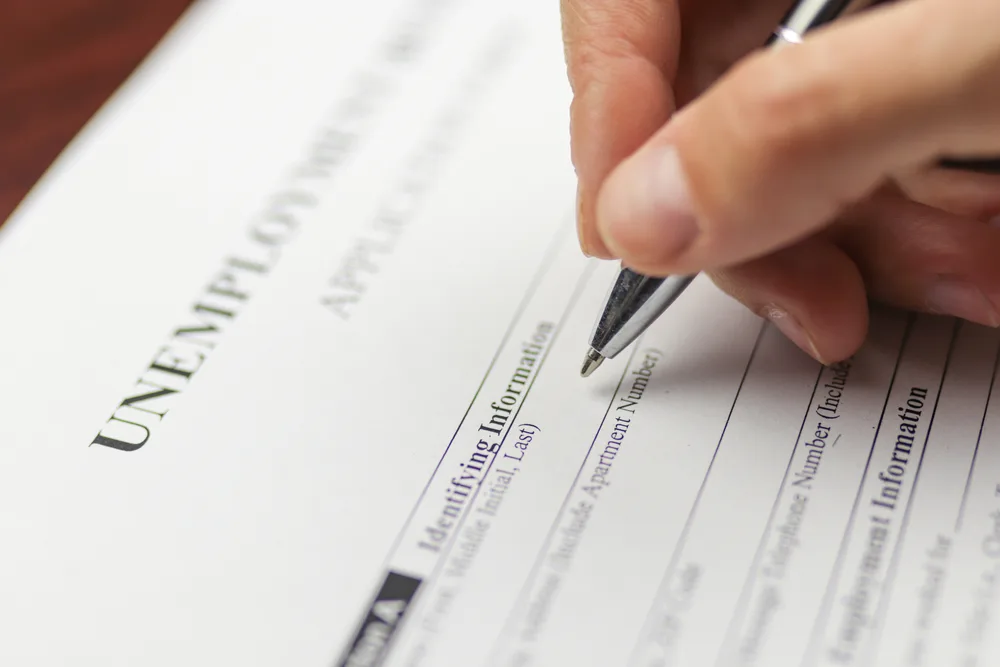
You’ve probably seen advertisements for a payday loan on the radio, on television, and maybe on one of your apps. You can apply for a payday loan online or in person, depending on which provider you go with.
The basic steps to get a payday loan:
- Apply online or in person. You will need identification, proof of income, and an active checking account.
- Approval and funding. You’ll likely receive a decision within minutes. If approved, the lender will either give you cash on the spot or deposit the funds directly into your bank account.
- Repayment. The payday lender may require you to give a post-dated check for the full balance plus fees or authorize an electronic transfer for the due date, which may be the next payday, two weeks later, or even a month later.
Lenders may offer extensions, renewals, or rollovers of the loan to another loan that has more fees but is due later than the original term. In these cases, you may need to pay just the fees, and the original loan amount becomes a new loan.
If your bank pays the preauthorized payment and you do not have sufficient funds, you may incur a bank fee.
Payday Loans Have Higher Fees Than You Might Realize
Sometimes, payday loans have a high interest rate, such as exceeding 400%. Others may have a flat fee, like $20 for every $100 borrowed.
And if you’re thinking, “$20 for $100… that’s only 20%,” then you’re not considering the real math behind those figures.
An Annual Percentage Rate (APR) is the annual cost of borrowing money put in terms of a percentage. When credit card companies give you an interest rate, this percentage is typically the APR.
- If a credit card has a 30% interest rate, the charge in one month on $500 would be closer to $12.50. Even if it takes you a year to pay back the $500, the amount of total interest you would pay would be about $85.
- For a payday loan, a $100 charge for borrowing $500 for a month isn’t 20%, it’s closer to 240%.
So, while a payday loan might look like a good idea, it might be more affordable to simply get a cash advance from your credit card and pay back the money over a longer period and avoid having to overextend yourself two to four weeks after you were already in a tight spot.
Alternatives to Payday Loans
With fees and interest rates so high, you might consider different ways to get money, such as:
- Getting a cash advance from your credit card. Many credit cards allow you to use your credit card to pull money out of an ATM. You often need to request a four-digit PIN to get the cash. This money may have a different, usually higher, interest rate than typical purchases.
- Get a payment plan. Do you need the money to cover utilities or rent? Reach out to your landlord or utility provider about applying for hardship, or a payment plan. If you owe medical bills, you may be able to ask for a goodwill write-off or, again, a payment plan.
- Get a personal loan. If you have a little time, a week or two, you could apply for a personal loan with a better rate and longer term than a payday loan.
- Talk to your employer about an advance. Some companies may advance your paycheck if you have worked with them for a while and are reliable. It may mean an uncomfortable conversation, but it could save you a bunch of fees.
- Welfare programs like Temporary Assistance for Needy Families. TANF provides a one-time payment (known as Emergency Cash Assistance) for immediate relief if eligible families are in crisis. This payment is even better than a loan because you do not need to pay it back.
You could also ask friends and family members for a loan. It might be embarrassing, but they might be willing to help if you can promise to pay them back in a short time.
Are Payday Loans Legal?
Yes and no. That answer depends on where you live. States regulate the laws surrounding payday loans, and in the following areas, they are not legal:
- Arizona
- Arkansas
- Colorado
- District of Columbia
- Georgia
- Hawaii
- New Mexico
- North Carolina
The 11 areas that do not have specific payday lending statutory provisions but require lenders to comply with requirements on consumer loans include Connecticut, Guam, Maryland, Massachusetts, New Jersey, New York, Pennsylvania, Puerto Rico, Vermont, the Virgin Islands, and West Virginia.
Likewise, each state, where they are legal, can set limits, such as no bigger than $500 (although some states have caps up to $1,000). The state may also set special considerations, including if the person’s source of income is from a pension or a Social Security payment.
Additionally, states can set limits on:
- The fee or interest.
- Term limits, such as no less than 10 days and no more than 180 days.
- The number of loans a borrower can have at one time.
- Restrictions on loan rollovers.
- Non-refundable origination fees.
If you are a member of the military or a dependent, you have extra protections under federal law. The federal government created the Military Lending Act (MLA) because it recognized that high-interest debt can impact a service member’s readiness and security clearance.
Under the MLA, lenders cannot charge active-duty service members and their families more than a 36% Military Annual Percentage Rate (MAPR). This cap includes most fees and insurance costs. Additionally, lenders are prohibited from requiring an allotment of your military pay to settle the debt or forcing you to waive your legal rights. If you are in the military, it is vital to identify yourself to the lender to ensure these protections are applied.
When a Payday Loan is a Last Resort
You may still need a payday loan when the high cost is worth it, such as to:
- Avoid Critical Losses: If missing a payment means your electricity is shut off (requiring a massive reconnection fee) or you lose your job because you can’t fix your car, the one-time fee of a payday loan might be cheaper than the consequences of not having the cash.
- Prevent Eviction: If a payday loan is the only thing standing between a family and an eviction notice, the long-term trauma and cost of losing a home may outweigh the high APR.
However, even in these emergencies, it is vital to ask: “Is there any other way to get this cash?” If the answer is truly “no,” and you have a guaranteed plan to pay it back by the due date, a payday loan serves its purpose.