Finding an apartment is one thing. Finding an apartment you can actually afford in today’s weird inflation-driven economy? Well, it can feel… nearly impossible.
Especially when you consider how many people are in the same boat, and how few affordable apartments you might think there are. It can feel like finding a needle in a haystack. Just as soon as a listing pops up, it’s quickly claimed and taken down.
And somehow, everyone else seems to have applied before you even finished reading the description.
Sound familiar? There’s light at the end of the tunnel: affordable apartments do exist. You just need to know where to look! So, hold on tight and keep reading to score great tips for finding a place you like, that doesn’t drain the wallet.
Start With Your Real Budget, Not the Wishful One
Before you open a single real estate app, get honest about the numbers.
A common rule says you should spend no more than 30 percent of your gross monthly income on rent. In many cities, that can feel pretty unrealistic. Still, it’s a good starting point.
Here are a few things you should look at when setting your budget:
- How much do you make each month?
- What’s the total of your fixed expenses, like car payments, insurance, loans, and bills?
- What are your estimated variables, like groceries and gas?
- Do you have any savings goals?
Use these numbers to calculate what you can comfortably afford, not what a real estate or leasing agent says you qualify for.
Just because you get approved for a higher amount doesn’t always mean you should take it. Approval is not the same thing as affordability.
What Does “Affordable” Really Mean?
The word “affordable” is often used interchangeably with “cheap,” but it’s not the same thing. Finding an apartment you can afford just means it’s something you can manage with your other finances. does not always mean cheap.
An apartment that costs a little higher in rent, but includes utilities, could actually cost you less in the long run than the cheaper apartment. Especially if you live in an area with high utility costs.
When comparing options, factor in a few key things, like:
- Extra fees for water or trash
- The cost of gas and electricity
- Internet and cable costs
- Fees to park
- Pet deposits or rent
- Application fees
- Broker fees
A low advertised rent can hide extra costs. Always ask for a full breakdown.
When Major Apartment Listing Sites Fail You
It’s pretty common to start off with the major sites like Trulia, Zillow, Redfin and the like, But affordable rentals often require digging a little deeper.
Don’t just rely on apps and sites to get the job done. Consider using the following resources to look for affordable units:
- Facebook Marketplace
- Facebook housing groups
- Community bulletin boards
- Craigslist
- Family and friends
- Property management company websites
Smaller landlords sometimes avoid large platforms to save money. That can mean less competition and better prices.
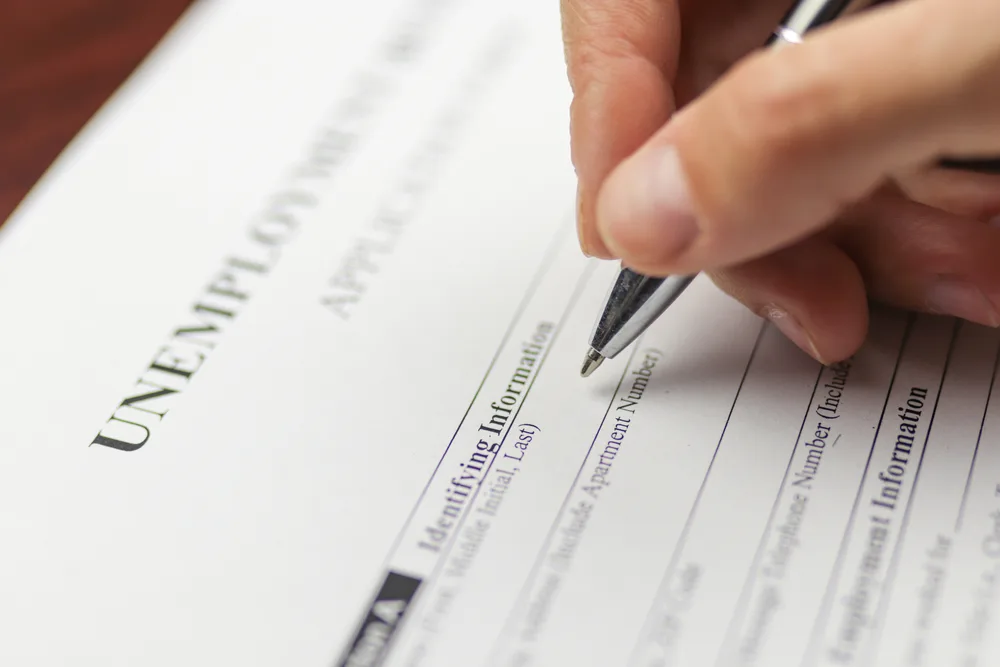
Unemployed? Income changed recently? Check out local housing assistance programs or income-based apartments. These programs can provide reduced rent for qualifying households.
Have Your Ducks in A Row Before You Apply
Affordable apartments pop up and disappear fast. If you wait to get all your paperwork together until after you find the perfect place, you just might miss it.
It’s a smart move to prepare a rental “packet” ahead of time. This can include things like:
- Recent pay stubs or proof of income
- Bank statements
- Driver’s license or photo ID
- References
- Rental history
- Credit check (if needed)
If you really want to stand out in the crowd, consider making a “renter profile” page. This is kind of like a resume, but for renting.
Landlords want reliable tenants. Make it easy for them to say yes!
Credit Not The Best? Here’s What to Do
Not everyone has perfect credit. And in today’s economy, many people have experienced job loss, medical bills, or unexpected setbacks.
If your credit score is lower than ideal, it doesn’t always mean an immediate ‘no.’ Just be upfront about it with the lease manager; he or she may appreciate the honesty abnd try and work with you.
You can also try to offer a larger security deposit if possible. This can show the lease manager you’re serious about renting.
Another tip? Provide strong references. Don’t give the manager a phone number belonging to your cousin from Idaho. Use references that judge your character as a renter or as a person (if you’ve never rented before).
And if it’s still feeling tricky, consider a co-signer. This is someone who meets the requirements of the apartment who’d be financially responsible should something go awry. This is commonly a parent, guardian, or other qualified family member.
Some landlords are more flexible than large corporate complexes. Private landlords may focus more on your current stability than past mistakes.
You can also work on improving your credit while searching. Even small improvements can make a difference.
Don’t Be Afraid to Negotiate
Somewhere along the way, renters were taught that asking about price is awkward or inappropriate. It’s really not.
After all, consider it a business transaction, not a marriage proposal. Some of the bigger apartment complexes might have firm pricing, but many landlords have flexibility built in. They might not come right out and say that, but that does not mean it doesn’t exist.
There’s a way to politely ask if there are any move-in specials, especially if the unit has been sitting vacant for a while. You can ask whether signing a longer lease might lock in a better monthly rate.
You can also ask if certain fees, like administrative or pet fees, can be reduced. You can even ask whether small upgrades, like fresh paint or new blinds, are possible before move-in. Notice the pattern here. Ask. Not demand. Not argue. Just ask.
The worst thing that happens is they say no. That is it. No penalty, no secret renter blacklist. But the best-case scenario could save you hundreds of dollars over the course of a year.
A slightly lower monthly rent or waived fee adds up quickly. If you are already stretching your budget to make a place work, even a small concession can make a meaningful difference.
Confident does not mean confrontational. It simply means remembering that you are allowed to advocate for yourself. Landlords expect some level of negotiation. You are not being difficult. You are being financially responsible.
Consider Crashing With Roommates – Strategically
If rent prices just feel impossible to handle alone, roommates can cut costs dramatically. But choose carefully.
Before signing anything with a roommate, you need to discuss a few things:
- Who will pay for what?
- What are the cleaning schedules going to look like?
- What happens if either of you has a guest stay over?
- How long do you both think you’ll live together?
- What happens if plans change, and one needs to leave early?
And the golden rule: always, ALWAYS, put it in writing. Even if a lawyer doesn’t look it over, trust us: putting an agreement in writing can prevent awkward conflicts later.
Living with roommates can make higher-quality housing affordable. It just requires communication upfront.
Don’t Overlook Rent Assistance Programs
If your income is lower than the average for where you live, especially while you’re unemployed, there may be housing programs available to you. Here are a few common resources:
- Section 8 – these provide housing vouchers to help lower your monthly rent
- Income-based apartment communities – these can be public or subsidized housing
- Local nonprofit housing assistance
- Emergency rental assistance programs
Each program has its own requirements and waiting lists. Research them early, because applications can take some time.
If you already receive other government benefits, like food stamps or cash assistance, you could already qualify for housing-related support. Exploring these options can expand what is realistically affordable.